By Chloe Learey, Exeuctive Director. Published in the Brattleboro Reformer, August 1, 2024
Mackenzie Scott recently gave $20 million to Champlain Housing Trust, unsolicited. Three years ago, she gave $9 million to the Vermont Foodbank. These are incredible gifts that have the power to effect transformative change, and our community needs this kind of investment now.
In the picturesque landscapes of Vermont, where the beauty of nature often belies underlying social and economic challenges, Vermonters with robust financial resources find themselves in a unique position to drive significant positive change through investment in housing projects. As the state grapples with housing affordability issues and a growing demand for sustainable, inclusive communities, the involvement of higher net worth individuals becomes not only beneficial but crucial for fostering a more equitable and resilient future.
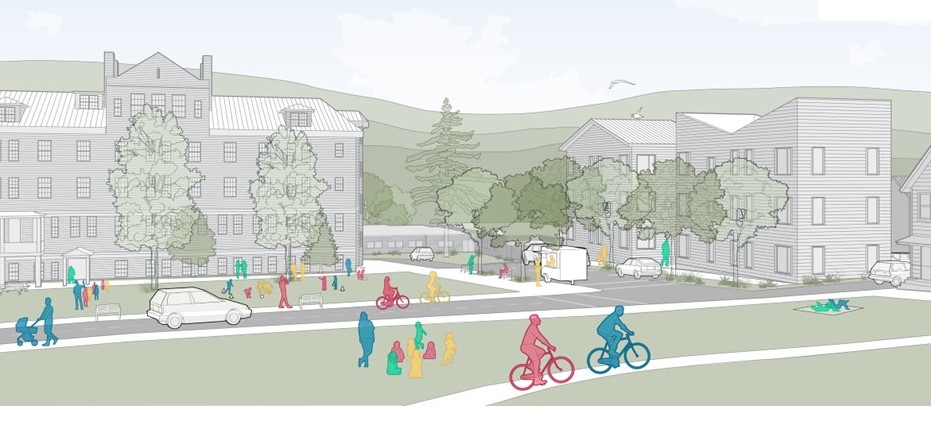
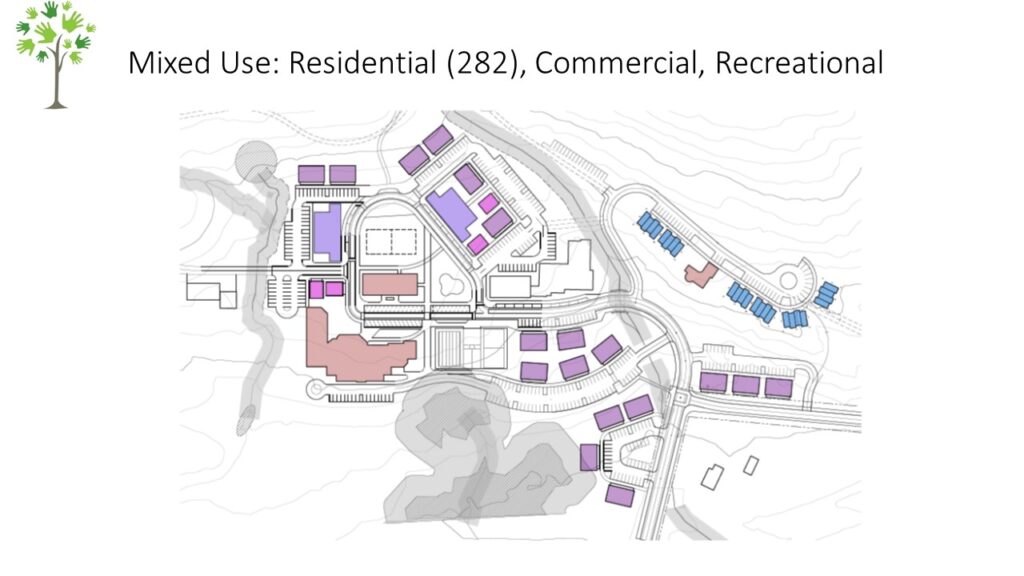
The most impactful area anyone can contribute to right now is in housing, and not just housing for people with lower incomes. We need a robust continuum of housing to make progress on solving the whole housing problem. Where can people go who are ready to downsize and simplify as they age? How do people buy a starter home when the median sale price for a home in Vermont is $325,000, assuming you can find a house for sale? We are losing teachers, physicians, land use planners, therapists and many other professionals because they cannot find a place to live. How do we expect to be able to keep jobs filled as the cost of housing rises because we do not have enough housing stock? Our economy will die on the vine if we don’t address this issue. Housing for all income levels is the linchpin. For the past two years, Winston Prouty has presented its vision to develop housing units on the Winston Prouty campus that will provide housing that meets this need.
The challenge is finding solutions in an environment where the cost to build is greater than the final value of the product. Many variables contribute to this conundrum, including some over which we have control. We may not be able to fix the cost of construction, but we can examine our policies and change them to help decrease costs associated with permitting and other regulatory requirements. The recent housing and land use bill, H.687, is an example of this even if it is unclear how much impact it will have. Regardless, there is still likely to be a gap to fill, a subsidy needed to make projects pencil out. Those gaps can be covered in many ways – low interest loans, impact investment tools, grants, and straight up philanthropy. Those of us trying to solve the housing puzzle and contribute to a healthier housing ecosystem need all the help we can get to be successful. The Winston Prouty Center Housing Development Project is an opportunity to bring these tools together creatively. The project checks many boxes: willing landowner, property connected to infrastructure, housing density that leaves green space, diverse housing that will be affordable for many, and a trusted organization acting for the good of the community. It is an opportunity we can’t afford not to bring to fruition.
What can you do to help projects like this in your community get started, keep moving and ultimately happen? If you can donate money, do it. If you can make a direct investment in a construction project, do it. If you have social capital to create support, use it. These are the types of assets that Vermonters with financial means can use to help make a difference during this time of need and to help alleviate the crisis. Social responsibility and community stewardship are deeply ingrained in Vermont culture, as is a commitment to building a more equitable and resilient future. There is no single entity leading the charge on that front, we are all responsible for contributing what we can to that future.
This future includes the opportunity to invest in sustainable development through energy-efficient design, green building materials, and conservation-oriented landscaping. These practices not only reduce carbon emissions but also lower utility costs for residents and promote healthier living environments. By supporting these initiatives, investors can play a pivotal role in advancing Vermont’s environmental goals while enhancing the long-term viability of housing projects.
One of the barriers to The Winston Prouty Project is finding funding for pre-development, partially because it is not just “low-income” housing. Right now, we need $150,000 to keep the project moving through December 2024. This will pay for continued project management, architect fees, engineering consultation and development of a financial strategy. This is a small amount compared to the types of gifts mentioned above and to the overall cost of the project, and it is critical to keep momentum going. The $2 million congressionally designated spending request for the project from Senator Sanders to the Senate Appropriations Committee is for Fiscal Year 2025 (FY25), and it is in no way a guarantee. We needed 500 units of housing three years ago to meet demand, and we have only fallen further behind – it is essential to act now.